Era & Silhouette Glossary

Navigate fashion history with confidence. Identify key silhouettes, understand tailoring terms, and integrate historical shapes into modern outfits.

1950s A-Line
A silhouette characterized by a fitted bodice that gradually widens from the waist, creating an "A" shape. Popularized by Christian Dior's New Look, this style emphasizes the waist and creates a feminine, structured silhouette. Modern styling tip: Pair with contemporary accessories to balance the vintage proportions.
1970s Wide-Leg Trousers
Trousers that flare dramatically from the knee or hip, creating a flowing, relaxed silhouette. Often made from lightweight fabrics like crepe or suiting materials. Modern approach: Style with fitted tops to balance the volume and maintain contemporary proportions.
Bias Cut
A cutting technique where fabric is cut at a 45-degree angle to the grain, allowing it to drape and cling to the body's curves. Popular in 1930s evening wear. Creates a fluid, figure-hugging silhouette that moves beautifully with the body.
Darting
A tailoring technique using stitched tucks to shape fabric to the body. Darts create curves and structure, commonly found at the bust, waist, and hips. Well-executed darting is a sign of quality construction and proper fit.
Pleating
Fabric folded and secured to create texture and volume. Accordion pleats create fine, even folds, while box pleats offer more structured fullness. Knife pleats face in one direction, creating movement and visual interest.
Peplum
A short overskirt or ruffle attached at the waistline of a garment, creating a flared silhouette that emphasizes the waist. Popular in 1940s and 1980s fashion. Adds structure and femininity to both dresses and separates.
Princess Seam
A vertical seam running from the shoulder or armhole to the hem, used to shape garments without darts. Creates a clean, streamlined silhouette that follows the body's natural curves. Common in well-tailored dresses and coats.
Cap Sleeve
A very short sleeve that covers only the shoulder cap, extending slightly onto the upper arm. Common in 1950s and 1960s designs. Offers coverage while maintaining a clean, structured shoulder line.
Empire Waist
A high waistline positioned just below the bust, with fabric falling loosely from this point. Popular in Regency-era fashion and 1960s mod styles. Creates a lengthening effect and comfortable, flowing silhouette.
Peplum Waist
Similar to peplum, but specifically refers to the waistline treatment. Creates visual interest and can help balance proportions, particularly useful for creating defined waistlines in loose-fitting garments.
Tailored Collar
A structured collar, typically found on blouses, shirts, and jackets. Point collars, spread collars, and band collars each offer different styling options. Quality tailoring in collars indicates overall garment construction quality.
Shawl Collar
A collar that continues in one unbroken line from the lapel, creating a soft, curved edge. Common in cardigans, jackets, and coats. Offers a softer, more relaxed alternative to notched lapels.

Silhouette Visual Guide
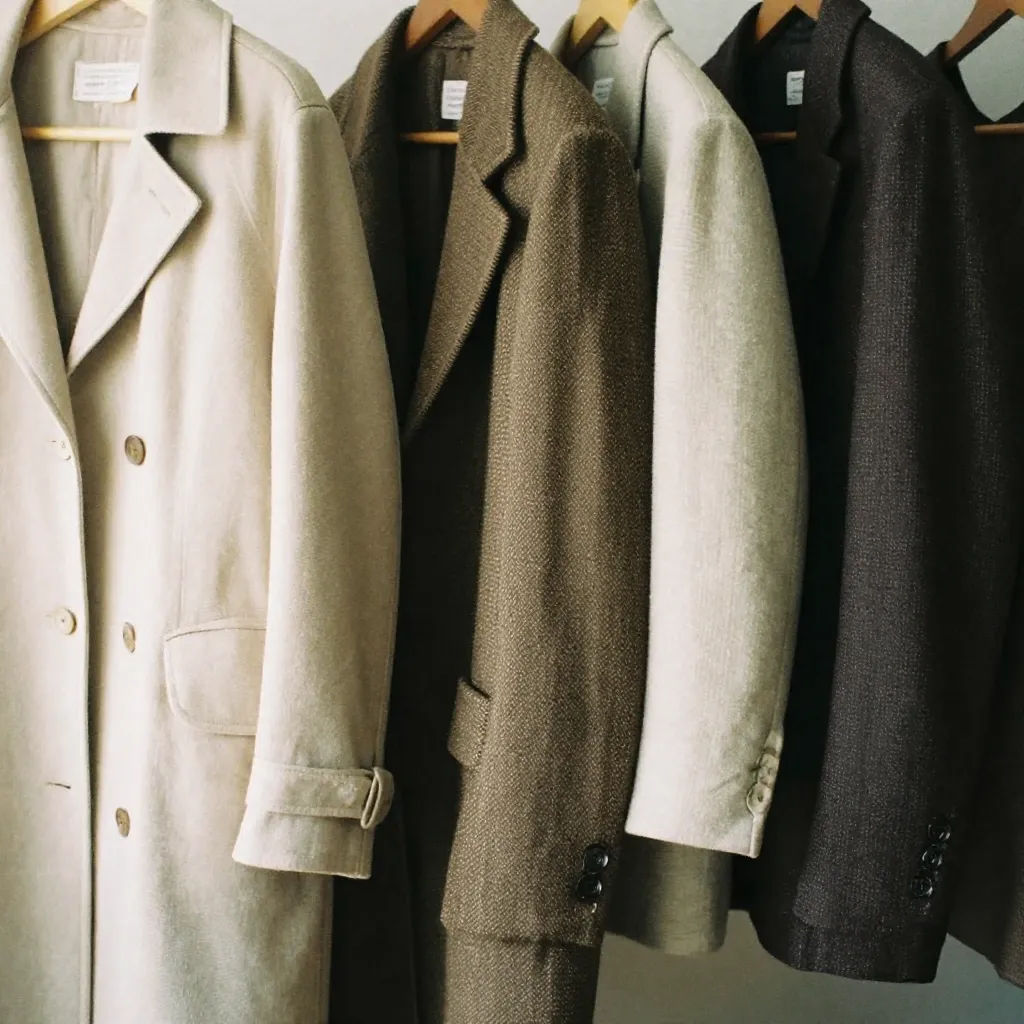
1950s fashion silhouettes

A-Line & Fit-and-Flare

Classic 1950s silhouettes that emphasize the waist and create feminine, structured shapes perfect for vintage styling.
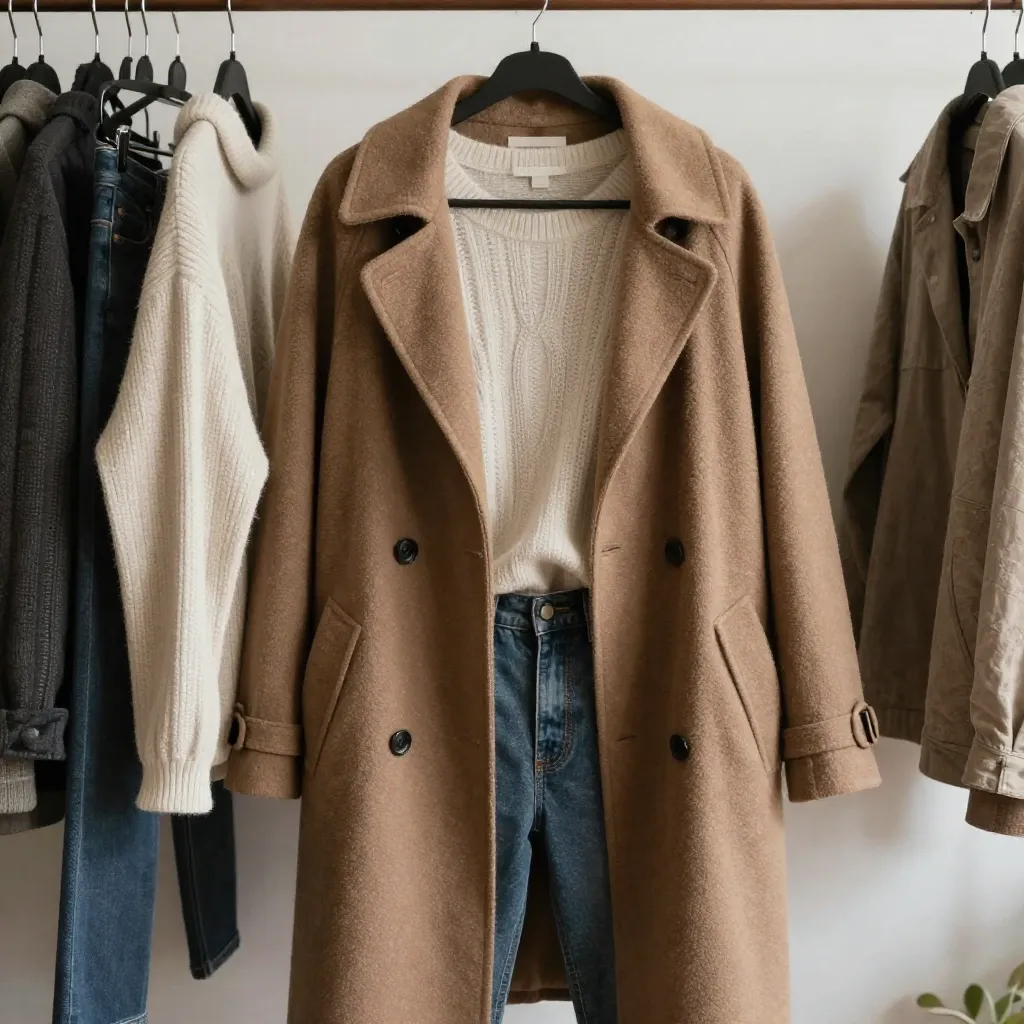
1970s wide-leg styles

Wide-Leg & Flowing

1970s styles featuring relaxed fits, flowing fabrics, and bohemian influences that remain timeless today.
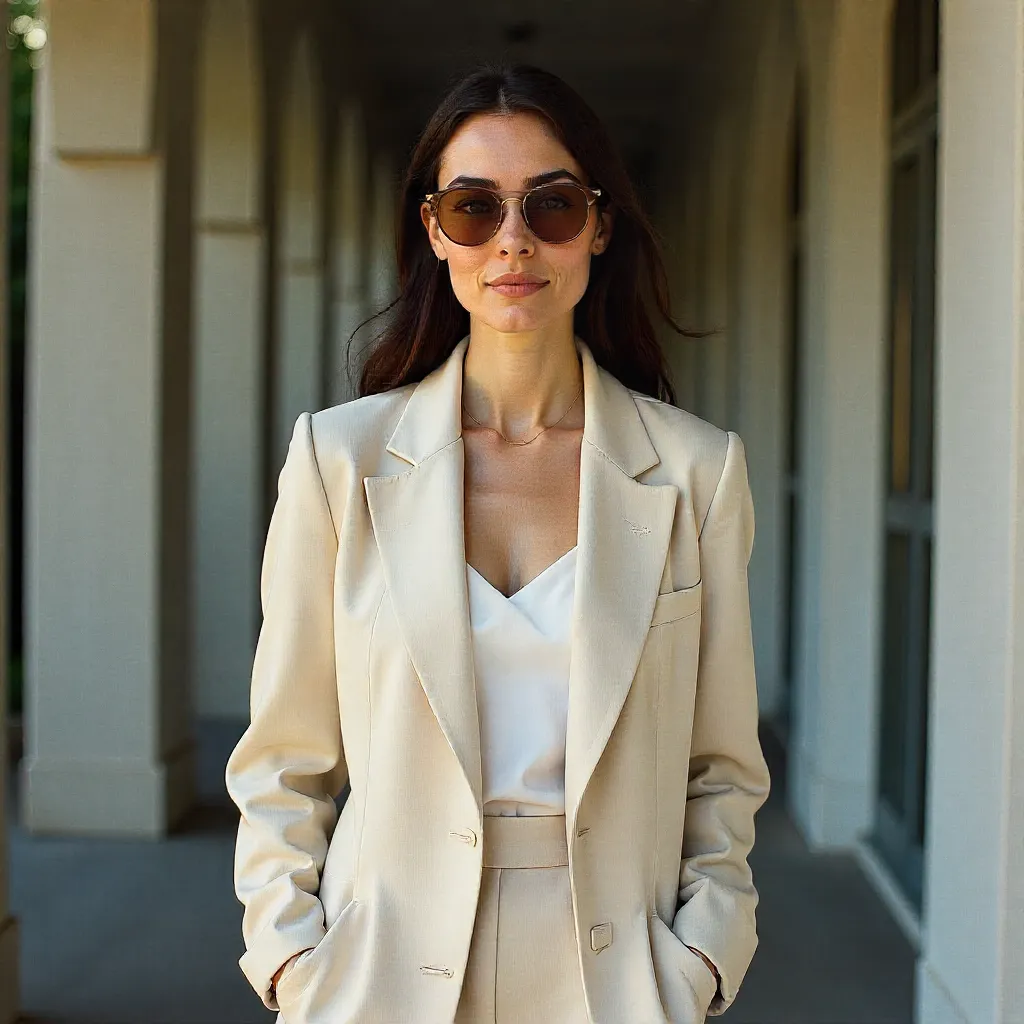
Tailoring details

Tailoring Techniques

Understanding darting, pleating, and seam construction helps identify quality vintage pieces.

Key Fashion Eras
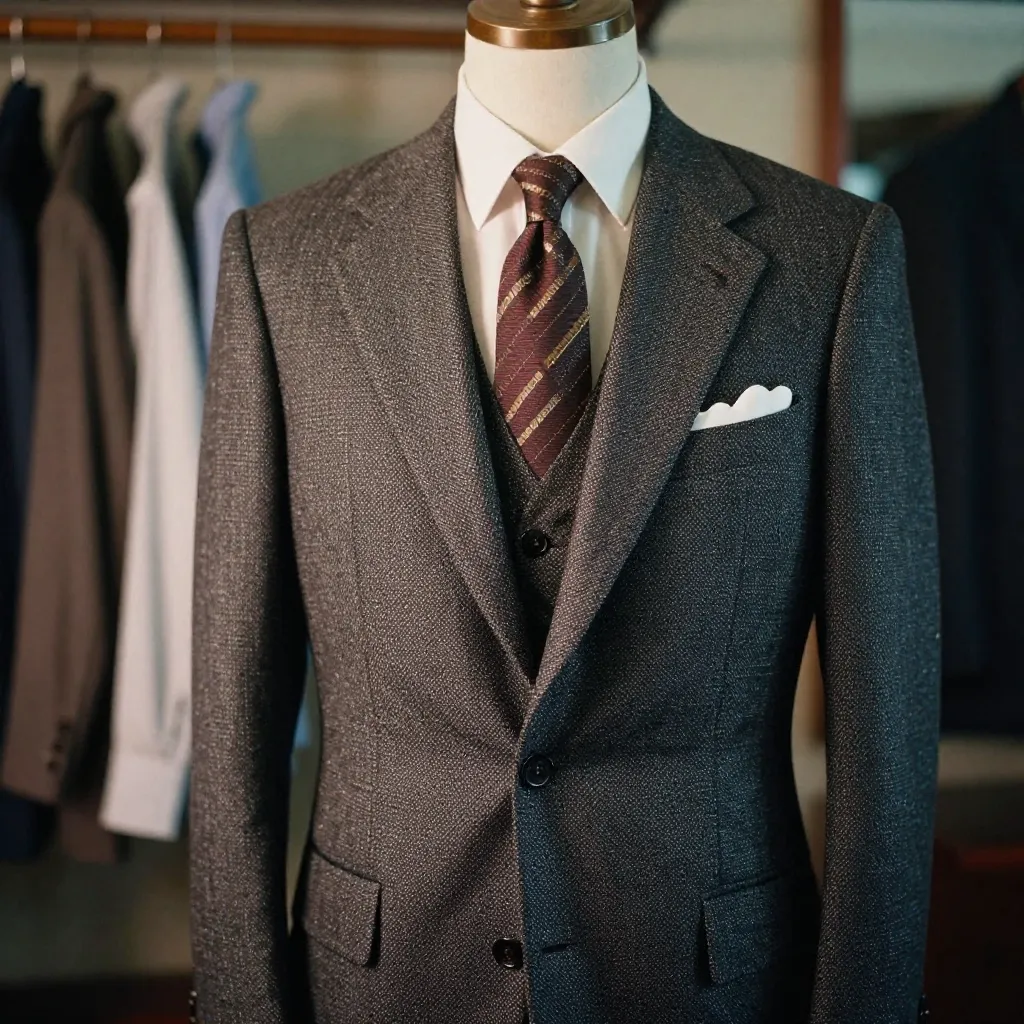
Fashion history timeline

1950s: Structured Elegance

Post-war fashion emphasized femininity with fitted waists, full skirts, and structured silhouettes. Quality tailoring and attention to detail were paramount. Key pieces include fit-and-flare dresses, pencil skirts, and tailored blouses.

1960s: Youthful Innovation

The mod movement introduced shorter hemlines, geometric patterns, and bold colors. Shift dresses, A-line shapes, and simple silhouettes defined the era. Quality pieces from this era often feature innovative fabric blends and construction techniques.

1970s: Bohemian Freedom

Flowing silhouettes, natural fabrics, and relaxed fits characterized this era. Wide-leg trousers, maxi dresses, and layered looks were common. Look for quality natural fibers and artisanal details in authentic pieces.