Understanding Vintage Fabrics
The longevity of your pre-loved wardrobe depends on understanding and properly caring for different textile types. Each fabric has unique characteristics, care requirements, and tells a story about its era and origin.
From identifying true vintage silk to understanding the differences between quality wools, this archive serves as your comprehensive guide to textile knowledge and preservation.
Learning to recognize quality fabrics and care for them appropriately ensures your pre-loved pieces will continue to serve you—and future generations—for years to come.

Fabric Identification Guides
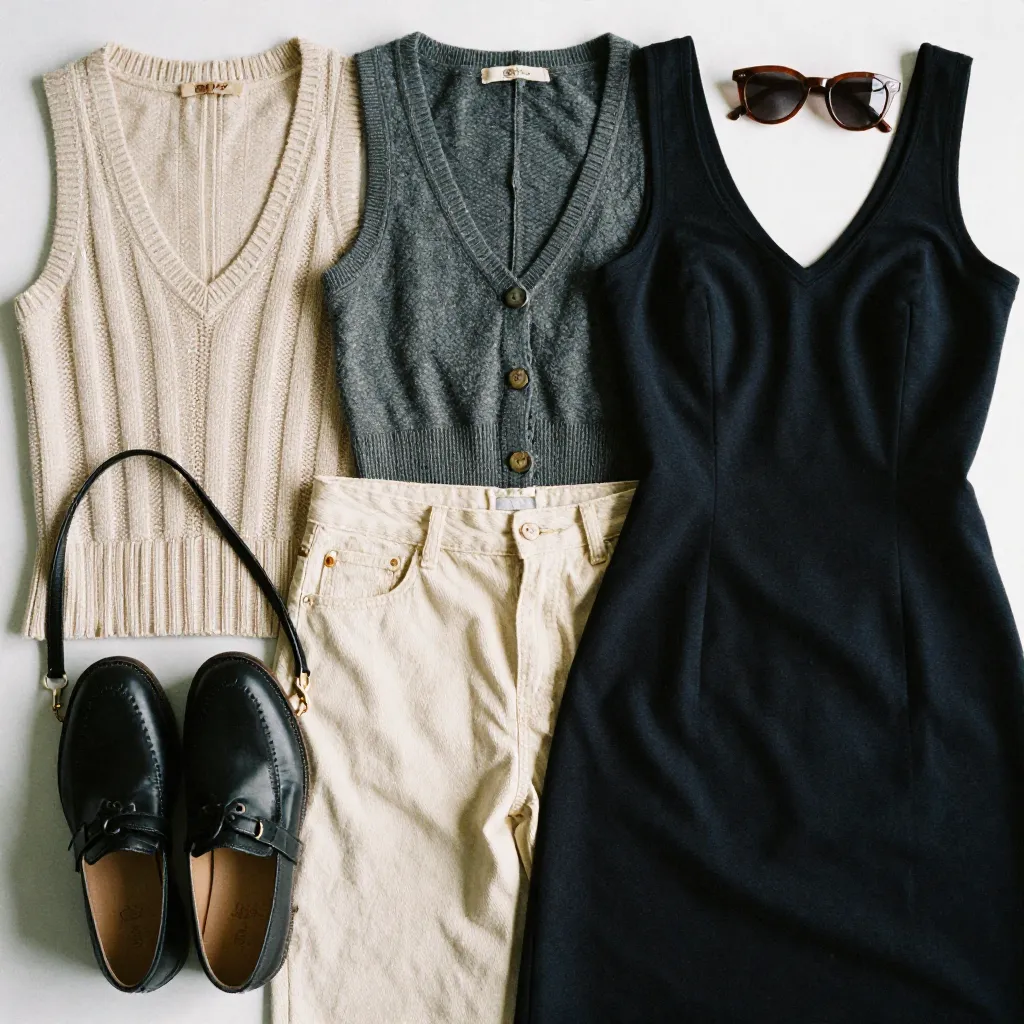
True Vintage Silk
Authentic vintage silk has a distinct luster and drape that synthetic alternatives cannot replicate. Look for fine, consistent weave patterns and test the fabric's warmth retention. Vintage silk often has slight variations that add to its character.
Care: Hand wash in cool water with gentle soap, never wring or twist. Dry flat on a clean towel, away from direct sunlight. Store rolled, never folded, to prevent permanent creasing.
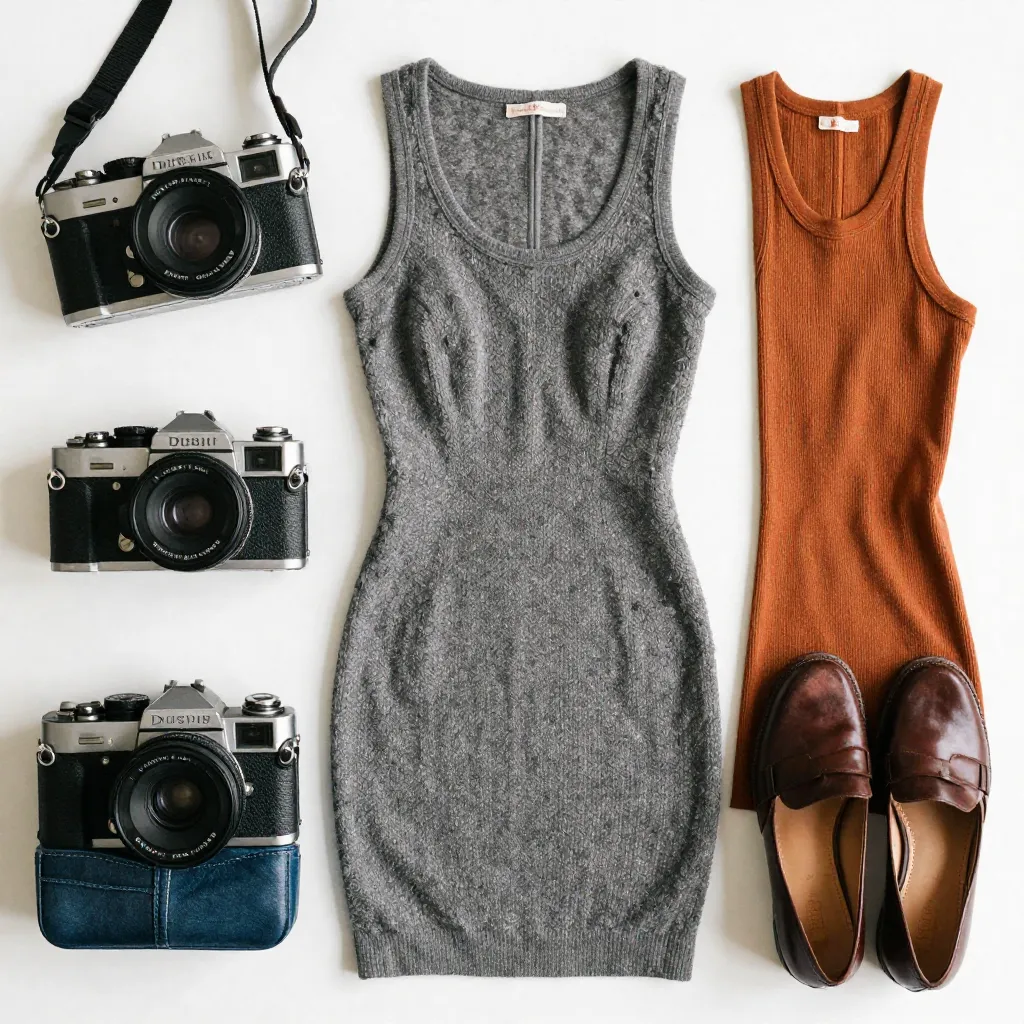
Quality Wool Varieties
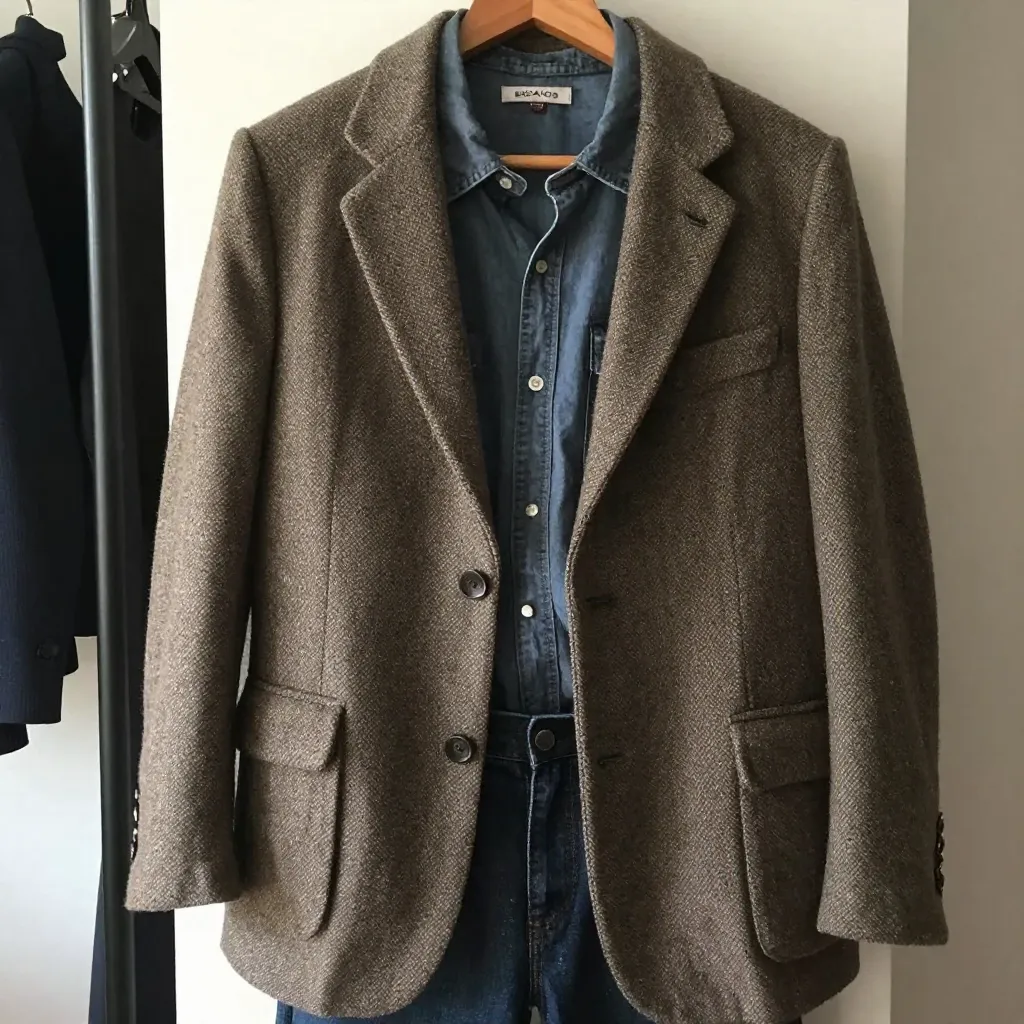
Distinguish between different wool types: merino offers softness, cashmere provides luxury warmth, and tweed delivers durability. Each requires slightly different care approaches. Vintage wool often features superior construction to modern equivalents.
Care: Air out between wears. Spot clean when possible. For full cleaning, use wool-specific detergents and cold water. Reshape while damp and dry flat. Moth prevention is crucial—store with natural repellents like cedar.

Historical Cotton & Linen
Vintage cotton and linen often feature tighter weaves and higher thread counts than contemporary versions. These natural fibers become softer with age and wear, developing a patina that enhances their appeal.
Care: Machine wash on gentle cycle with cold water, or hand wash for delicate pieces. Line dry when possible to preserve fiber strength. Iron while slightly damp for best results. Store clean and dry to prevent yellowing.
Advanced Care Techniques
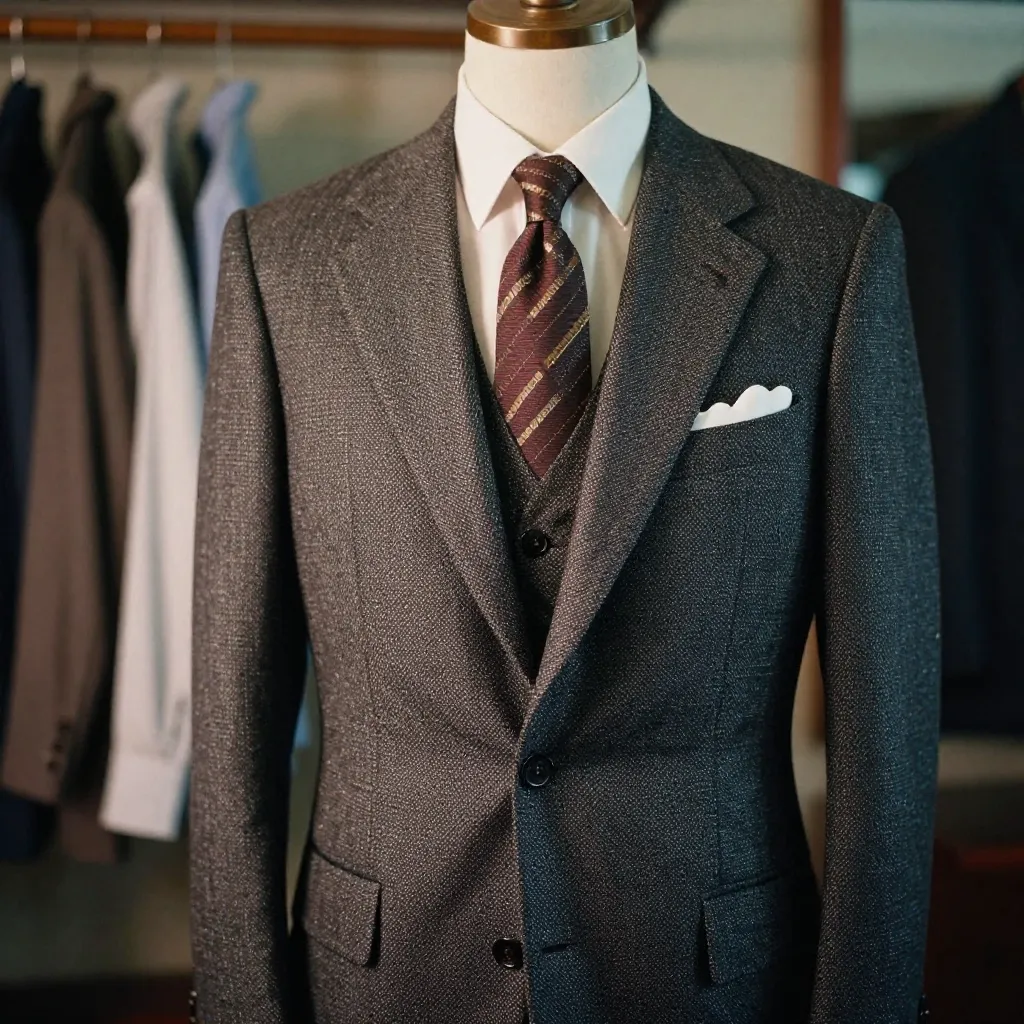
Visible Mending & Sashiko
Transform minor damage into design features through visible mending techniques. Sashiko, a traditional Japanese embroidery method, reinforces fabric while creating beautiful patterns. This approach celebrates the history of your garments rather than hiding wear.
Begin with simple running stitches to reinforce areas of stress. Use contrasting thread colors to make repairs decorative. These techniques extend garment life while adding personal character.
Non-Toxic Stain Removal
Delicate vintage fabrics require gentle, non-toxic cleaning methods. For most organic stains, start with cold water and gentle blotting. Baking soda and white vinegar work well for many stain types without damaging delicate fibers.
Always test cleaning solutions on inconspicuous areas first. For stubborn stains, consider professional cleaning services that specialize in vintage textiles.
Storage & Long-Term Preservation
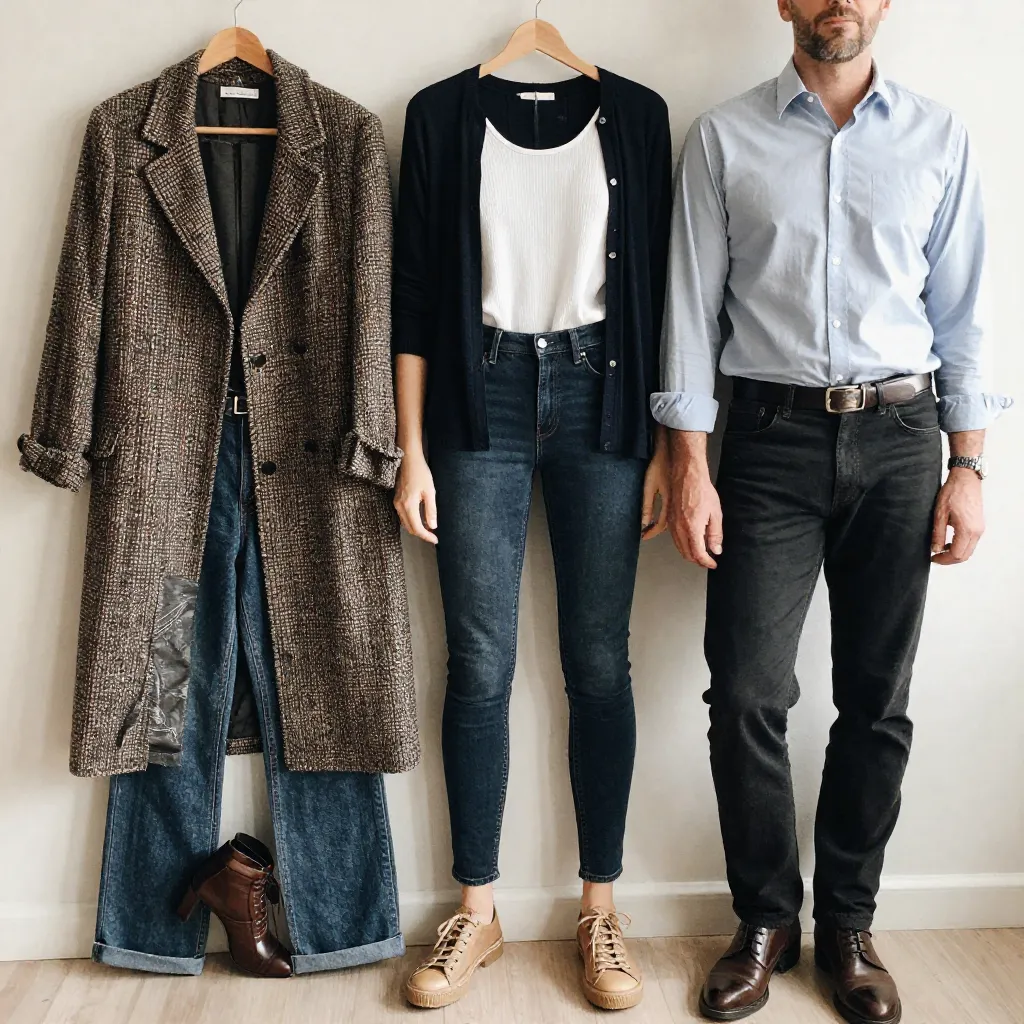
Proper Hanging vs. Folding
Not all garments should be hung. Heavy knits and delicate fabrics are better folded and stored flat. Structured pieces like blazers benefit from proper hangers that maintain their shape. Use padded hangers for delicate fabrics to prevent shoulder bumps.

Climate Control
Maintain stable temperature and humidity levels. Avoid storing garments in attics, basements, or areas with extreme temperature fluctuations. Natural fibers are particularly sensitive to environmental conditions.
Protection from Light & Pests
Store garments in dark, breathable containers. Use acid-free tissue paper for folding. Natural pest repellents like cedar blocks or lavender sachets protect without harsh chemicals that could damage delicate fibers.
Regular Maintenance Schedule
Establishing a regular care routine extends the life of your pre-loved pieces significantly. Clean garments before storing, repair minor issues promptly, and rotate items regularly to prevent over-wear on favorite pieces.
Get Expert Advice